Hackbubble Font: Playful Display Type for Web Design
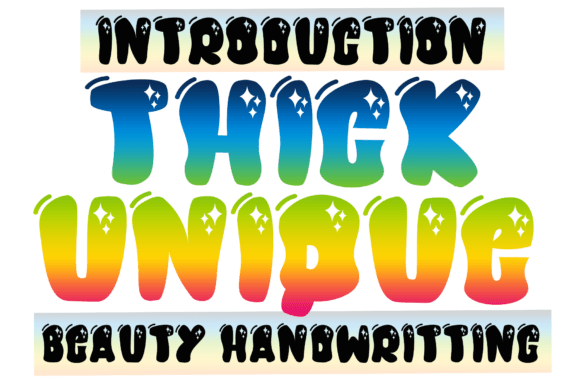
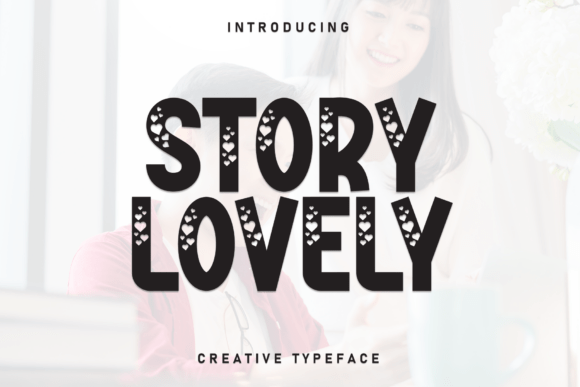
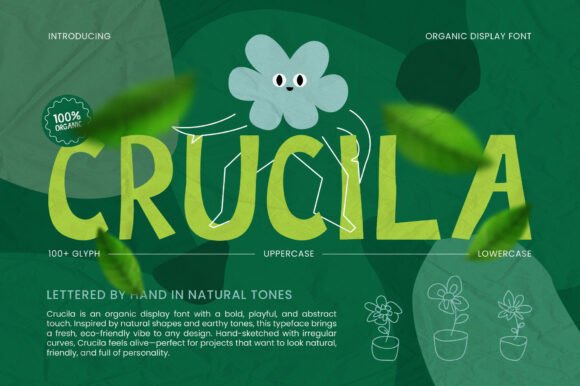
Selecting the right display font is one of the most critical decisions in modern web design. It sets the immediate emotional tone before a user reads a single word of body copy. Hackbubble is a distinctive typeface that bridges the gap between nostalgic playfulness and contemporary digital clarity. As a bold, rounded display font, it offers web designers and UI creators a versatile tool for establishing friendly, approachable brand identities without sacrificing professional polish. Its unique letterforms are engineered to capture attention in hero sections and landing pages while maintaining enough structural integrity to remain legible across various screen sizes.
Visual Characteristics and Digital Personality
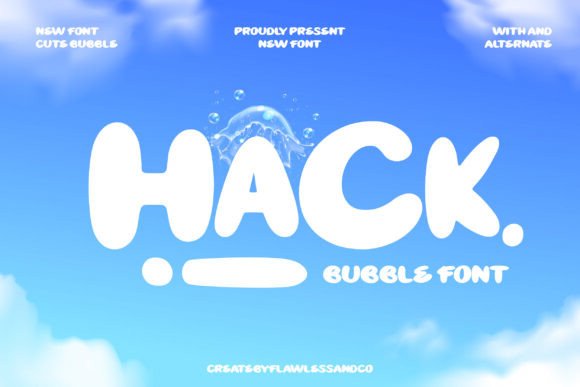
Hackbubble distinguishes itself through its generous curves and balanced proportions. Unlike many novelty fonts that prioritize shape over function, this typeface retains a strong underlying grid that supports digital readability. The rounded terminals soften the visual impact, making it ideal for brands that want to appear accessible rather than corporate or austere. In an era where user experience often hinges on emotional connection, the cheerful aesthetic of Hackbubble can reduce friction and create a welcoming atmosphere for visitors.
The font’s weight distribution is particularly effective for screens. Thin strokes often disappear on low-resolution displays or when rendered at smaller sizes, but Hackbubble maintains consistent thickness throughout its forms. This makes it resilient against anti-aliasing issues common in web browsers. For UI designers, this reliability means less time spent tweaking CSS font-smoothing properties and more confidence that the intended design will translate accurately from Figma to the live browser environment.
Strategic Applications in Web Layouts
While versatile, Hackbubble performs best when applied with intention. Its personality shines brightest in high-visibility areas where brevity is key. Consider these practical applications for digital products:
- Hero Section Headlines: Use large-scale sizing to create an immediate focal point above the fold. The bold forms anchor the page layout effectively.
- Call-to-Action Buttons: Short, punchy phrases like "Get Started" or "Join Now" benefit from the font's friendly geometry, potentially increasing click-through rates by reducing perceived commitment anxiety.
- Pricing Tables and Badges: Highlight tier names or special offers. The rounded style feels less transactional and more inviting than sharp-edged alternatives.
- Navigation Accents: While perhaps too heavy for a full menu, it works exceptionally well for active states or primary navigation items to guide user focus.
- Social Media Graphics: Maintain brand consistency across digital touchpoints by using the same display typeface for Instagram stories, LinkedIn banners, and ad creatives.
For e-commerce sites, Hackbubble can humanize product categories. A boutique selling handmade goods or sustainable children’s products can leverage this typeface to reinforce values of care and craftsmanship directly through typography. Similarly, SaaS platforms targeting creative professionals might use it to signal innovation and ease of use, differentiating themselves from competitors relying on standard geometric sans serifs.
Readability and Responsive Behavior
A beautiful font fails if users cannot read it quickly. When implementing Hackbubble, designers must respect its nature as a display typeface. It is not designed for long-form reading; attempting to use it for paragraphs will fatigue readers and harm accessibility scores. Instead, reserve it for headings, subheadings, and short interactive elements.
Mobile responsiveness requires specific attention. On smaller viewports, bold display fonts can easily become overwhelming or cause awkward line breaks. Establish a fluid typography scale that reduces the size of Hackbubble proportionally on mobile devices. Ensure adequate line height—even for single-line headers—to prevent the rounded ascenders and descenders from feeling cramped against container edges. Testing on actual devices is crucial; what looks spacious on a 27-inch monitor may feel claustrophobic on a smartphone. Additionally, verify contrast ratios against both light and dark backgrounds. The soft edges can sometimes reduce perceived contrast, so you may need to adjust color values slightly darker than you would with a sharper typeface to meet WCAG standards.
Effective Font Pairing Strategies
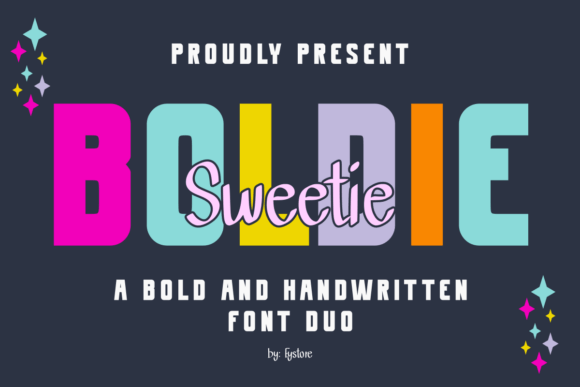
Hackbubble carries significant visual weight, so it demands a supporting typeface that provides breathing room. The goal is contrast, not competition. Avoid pairing it with other rounded or highly decorative fonts, as this creates visual noise and confusion.
A clean, neutral sans serif font is typically the safest and most effective partner. Typefaces like Inter, DM Sans, or Outfit offer the necessary structural simplicity to let Hackbubble take center stage. This combination establishes a clear hierarchy: Hackbubble attracts attention and conveys emotion, while the sans serif delivers information efficiently. For editorial-style websites or blogs seeking a more sophisticated juxtaposition, consider pairing Hackbubble with a modern serif font for body text. The contrast between the bubbly display face and refined serifs can create a unique, magazine-like aesthetic that feels both trendy and timeless. Always test your pairings at multiple breakpoints to ensure the relationship holds up across all user contexts.
Technical Considerations and Licensing
Before integrating any premium font into a commercial project, verify the technical specifications and licensing terms. Check whether the download includes webfont formats (WOFF2) optimized for performance, as serving unoptimized TTF or OTF files can negatively impact Core Web Vitals. Review the character set to ensure it supports all languages required for your target audience; missing glyphs can break layouts unexpectedly.
Licensing is equally important for professional integrity. Confirm that your license covers all intended uses, including client websites, digital templates, and embedded app interfaces. Some licenses differentiate between personal and commercial use, or impose limits based on monthly page views. Securing the appropriate commercial license protects both you and your client from legal complications and ensures the type foundry is fairly compensated for their work. When building design systems or brand kits, document the usage guidelines for Hackbubble explicitly so future team members understand its proper role within the broader typographic ecosystem.